

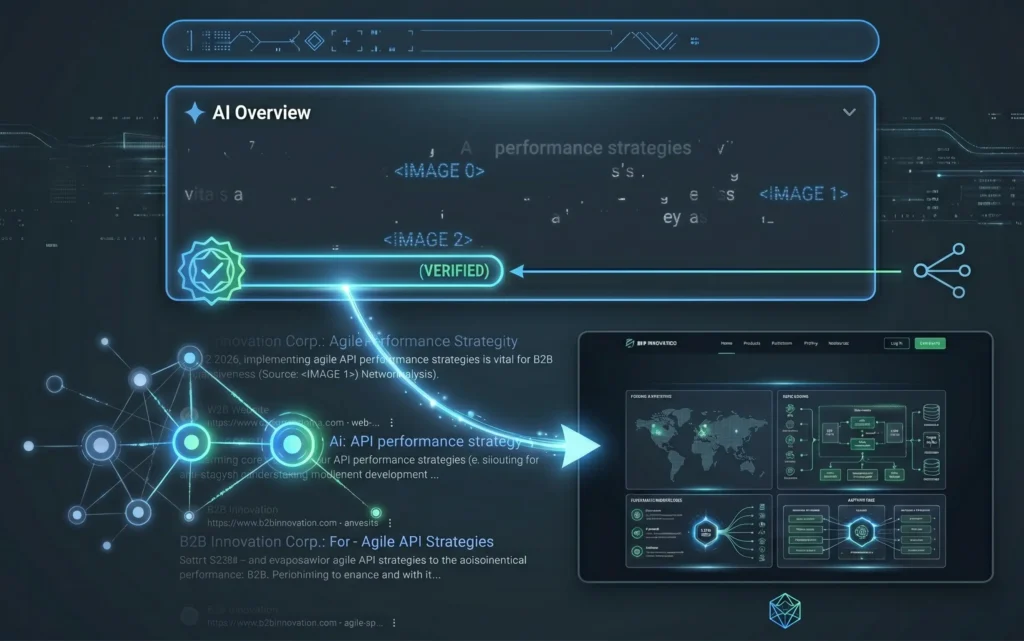
For over two decades, the goal of SEO was simple: rank in the top three blue links and get the click. In 2026, that model is fundamentally broken. When a user asks a complex question, search engines do not just provide a list of links anymore—their integrated AI generates a complete, conversational answer directly on the results page.
This shift has terrified businesses that rely on organic traffic, leading to the rise of “zero-click searches.” However, AI engines do not invent facts; they synthesize data from authoritative sources. The new frontier of digital visibility is not about fighting the AI; it is about becoming the source the AI cites. Welcome to Generative Engine Optimization (GEO).
1. Information Density and Strict Architecture
AI language models are designed to find the most accurate, concise, and structured data available. If your WordPress blog starts with three paragraphs of irrelevant backstory before answering the target question, the AI will ignore you and pull data from a competitor.
To rank in AI Overviews, your content architecture must be strictly modular. This means utilizing custom Gutenberg blocks to create high-density data modules at the very top of your pages. Bulleted lists, comparison tables, and direct Q&A formats are easily parsable by AI crawlers. You must deliver the core answer instantly, using the exact terminology the AI expects, before expanding into the deeper narrative.
2. Proprietary Data: The AI’s Blind Spot
AI can summarize existing internet knowledge in seconds. What it cannot do is generate first-hand experience, proprietary data, or unique case studies. If your website only publishes generic “how-to” articles, you bring zero unique value to the generative engine.
To force the AI to cite your brand, you must inject proprietary insights into your content. Instead of writing “Website speed is important,” write “Our data across 40 WooCommerce migrations shows a 22% increase in checkout completions when load times drop below 1.5 seconds.” AI engines actively hunt for statistics, real-world testing, and expert quotes to validate their generated answers. When you provide the data, you win the citation link.
3. Advanced Schema: Speaking Directly to the Machine
You cannot rely on the AI to “guess” what your page is about. You have to feed it the exact context through advanced Schema Markup (Structured Data). While basic SEO plugins handle standard article schema, GEO requires a much more granular approach.
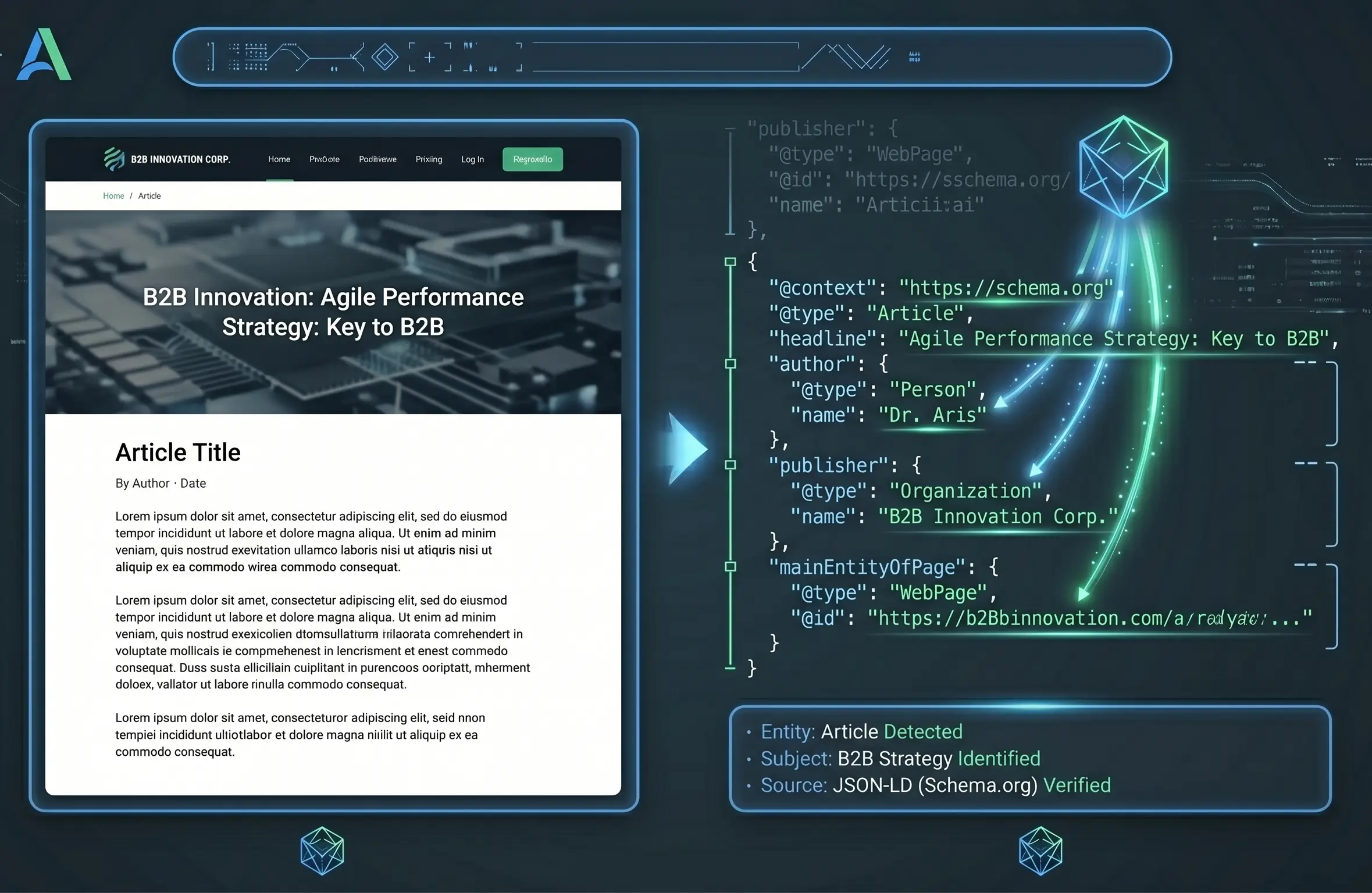
Custom WordPress development allows for the integration of deep entity schema. This tells the search engine exactly who the author is, what entities (concepts/brands/technologies) are being discussed, and how they relate to each other. By mapping these relationships perfectly in the backend, you establish semantic authority, making your site the most logical source for the AI to reference.
4. Real-Time Indexing Requires Flawless Performance
AI search engines update their knowledge bases rapidly. If your website is bogged down by a heavy, bloated pre-made theme, search engine bots will abandon the crawl before they even index your most valuable content.
Technical SEO is the prerequisite for GEO. Your server response times, JavaScript execution, and internal linking structure must be flawless. A custom-built, lightweight WordPress architecture ensures that Googlebot can crawl and render your pages instantly, keeping your brand at the forefront of the AI’s real-time dataset.
Conclusion: Adapt or Become Invisible
Generative Engine Optimization is not a future trend; it is the current reality of digital visibility. Brands that continue to rely on outdated keyword stuffing and fluffy content will see their organic traffic disappear. Brands that structure their data for AI parsing will dominate the new era of search.
Is your WordPress architecture ready for AI search? Stop losing visibility to your competitors. Let our technical SEO and development experts rebuild your digital strategy to capture citations and drive high-intent leads.